
Understanding the psychological triggers that drive gambling behavior
The Nature of Gambling and Its Allure
Gambling has been a popular pastime for centuries, rooted deeply in human psychology. The thrill of risk and reward plays a significant role in why people are drawn to gambling. This excitement can release a surge of dopamine, a neurotransmitter linked to pleasure and motivation. As individuals engage in gambling, they can feel an adrenaline rush that momentarily alleviates stress and boredom, creating an addictive cycle that keeps them returning for more. A great example of an exciting option in this realm is Unlimluck Casino, which offers various games and bonuses to enhance the experience.

The unpredictability of outcomes in games of chance fuels a sense of anticipation that many find irresistible. In this environment, players often overestimate their chances of winning, a phenomenon known as the “illusion of control.” This misjudgment is psychologically intriguing as it drives them to participate despite the odds being stacked against them. Understanding this intrinsic allure can help clarify the powerful psychological triggers that govern gambling behavior.
Additionally, social factors play a crucial role in gambling’s appeal. In many cultures, gambling is a communal activity, often associated with social gatherings or celebrations. This social dimension can amplify the excitement and lead individuals to gamble not just for potential financial gains, but also for the shared experience with friends or family. As individuals immerse themselves in these social scenarios, the emotional bonds formed can further entrench their gambling habits, making it more challenging to disengage.
The Role of Cognitive Biases in Gambling
Cognitive biases significantly influence gambling behavior, often skewing decision-making processes. One of the most prominent biases is the gambler’s fallacy, where individuals believe that past outcomes can influence future events. For example, a player might think that if a particular number hasn’t been drawn recently, it is more likely to appear next. This misunderstanding of probability leads to misguided betting strategies and can fuel ongoing gambling activity.
Moreover, confirmation bias can also reinforce gambling habits. Players tend to remember their wins while downplaying their losses, creating a distorted perception of their gambling performance. This selective memory fosters a belief in personal skill and enhances the desire to continue gambling, as players become convinced they can “turn things around.” Such cognitive distortions can make it difficult for individuals to recognize the risks involved in gambling, ultimately driving more frequent participation.
The availability heuristic also plays a significant role in gambling behaviors. This mental shortcut leads individuals to assess the probability of an event based on how easily they can recall similar experiences. For example, if someone hears about a recent lottery winner, they might overestimate their own chances of winning. This cognitive bias can entice individuals to take greater risks, further embedding them in the gambling cycle. Understanding these biases is essential for recognizing how they contribute to persistent gambling behaviors.
Emotional Triggers and Their Impact on Gambling
Emotions significantly influence gambling decisions, with many individuals using gambling as a coping mechanism for stress, anxiety, or depression. When faced with negative feelings, the thrill of gambling can offer a temporary escape, allowing individuals to momentarily forget their problems. This emotional relief can be powerful, creating a dangerous cycle where gambling becomes the primary method of managing negative emotions.
Additionally, the concept of “chasing losses” further illustrates how emotions impact gambling behavior. When players experience losses, they may feel compelled to gamble more in an attempt to recover their money. This reaction is often driven by frustration and a desire to regain control, which can lead to even greater financial losses. Over time, this behavior can escalate, resulting in significant negative consequences for the individual and their families.
Furthermore, positive emotions can also influence gambling decisions. Players may gamble to celebrate achievements or enjoy a night out with friends, viewing it as a form of entertainment. While this can be harmless in moderation, the thrill associated with winning can perpetuate a desire for more frequent gambling experiences. Emotional triggers, whether positive or negative, play a crucial role in gambling behavior and can lead individuals to make impulsive decisions.
The Influence of Environment on Gambling Behavior
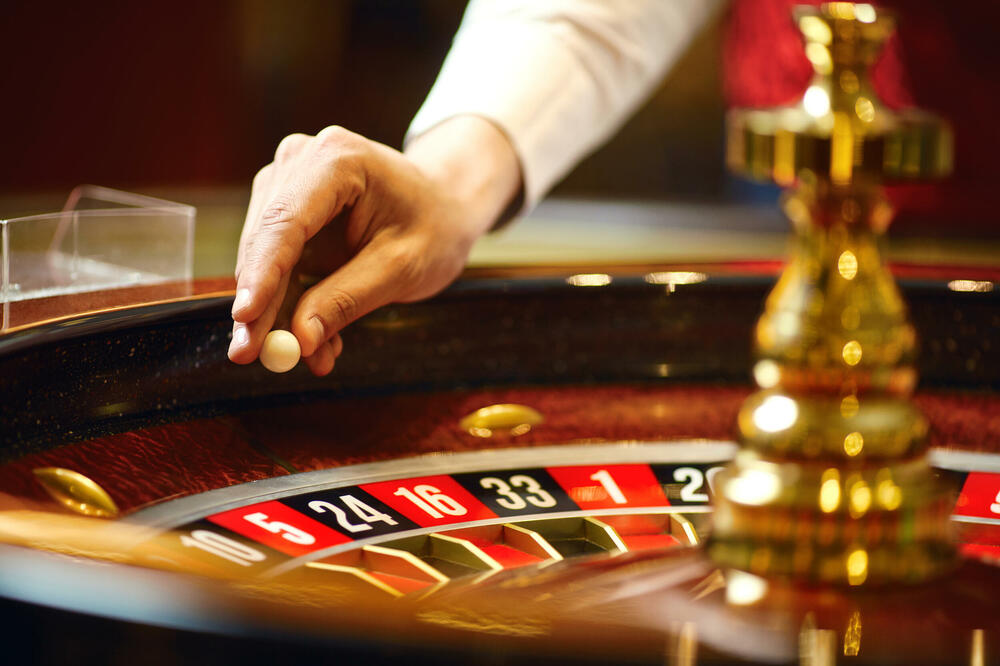
The environment in which gambling takes place significantly affects behavior. Casinos and online gambling platforms are designed to create an immersive experience that keeps players engaged. Bright lights, enticing sounds, and free drinks are all strategies used to enhance excitement and prolong play. These environmental cues can heighten the thrill of gambling, making it difficult for individuals to walk away, even when they know they should.
Moreover, the accessibility of online gambling has transformed how individuals engage with these activities. With platforms like online casinos offering a wide variety of games at any time of day, players can gamble from the comfort of their own homes. This convenience can lead to increased frequency of gambling, as individuals are more likely to engage in impulsive betting when faced with fewer barriers. The ease of access can also normalize gambling behavior, making it seem less risky than it actually is.
Social influences also play a significant role in shaping gambling habits. Friends and family members can encourage or discourage gambling, impacting how individuals perceive these activities. In environments where gambling is viewed as a socially acceptable pastime, individuals may be more likely to engage in it themselves. Understanding the dynamics of one’s environment can be instrumental in addressing unhealthy gambling behaviors and finding effective strategies for moderation.
Unlimluck Casino: A Unique Online Gambling Experience
For those seeking an engaging online gambling environment, Unlimluck Casino offers a variety of features that cater to players’ needs. With an extensive selection of over 2,500 games, including popular slots and live casino options, players can explore numerous possibilities while enjoying a captivating experience. The platform’s user-friendly interface ensures that both seasoned players and newcomers can navigate easily, contributing to a welcoming atmosphere.
Unlimluck Casino is also known for its generous welcome bonus, allowing players to maximize their potential rewards across their initial deposits. This enticing offer can be particularly appealing to newcomers, encouraging them to explore the diverse gaming options available. The casino’s commitment to fast and secure transactions, including cryptocurrency withdrawals, demonstrates a focus on providing a seamless experience that prioritizes player satisfaction.
Additionally, Unlimluck Casino stands out for its non-GamStop access, catering to those seeking flexibility in their online gambling experience. This accessibility can attract a wider range of players, including those who may have faced restrictions on other platforms. Understanding the psychological triggers behind gambling behavior can enhance one’s experience at Unlimluck Casino, allowing players to enjoy their time while remaining mindful of responsible gambling practices.